A kingdom built on timing
The Nasrid emirate was founded in 1238, in the middle of the Christian conquest of southern Iberia rather than before it. Córdoba had fallen in 1236 and Seville would fall in 1248.
It survived by accepting vassalage to Castile, paying tribute, and occasionally supplying troops. ⚠️ That is a less heroic account than the one usually told, and it is the one the evidence supports.
What it was like
The emirate was small — roughly the modern provinces of Granada, Málaga and Almería — mountainous, well defended and densely farmed. It grew silk, and traded it through Genoese merchants, which is where much of the money for the Alhambra came from.
It also absorbed Muslim refugees from every territory that fell, which concentrated scholars, craftsmen and money in one small state at exactly the moment it was building.
The end, and what followed
Internal division did most of the work. By the 1480s the dynasty was fighting itself, and Castile and Aragon — newly united — pressed the advantage. Granada surrendered in 1492.
⚠️ The surrender terms protected Muslim religion and property and were abandoned within years. Forced conversion, the Morisco revolt in the Alpujarras, and eventual expulsion followed over the next century. The buildings stayed; the people who made them did not.
Where to see it
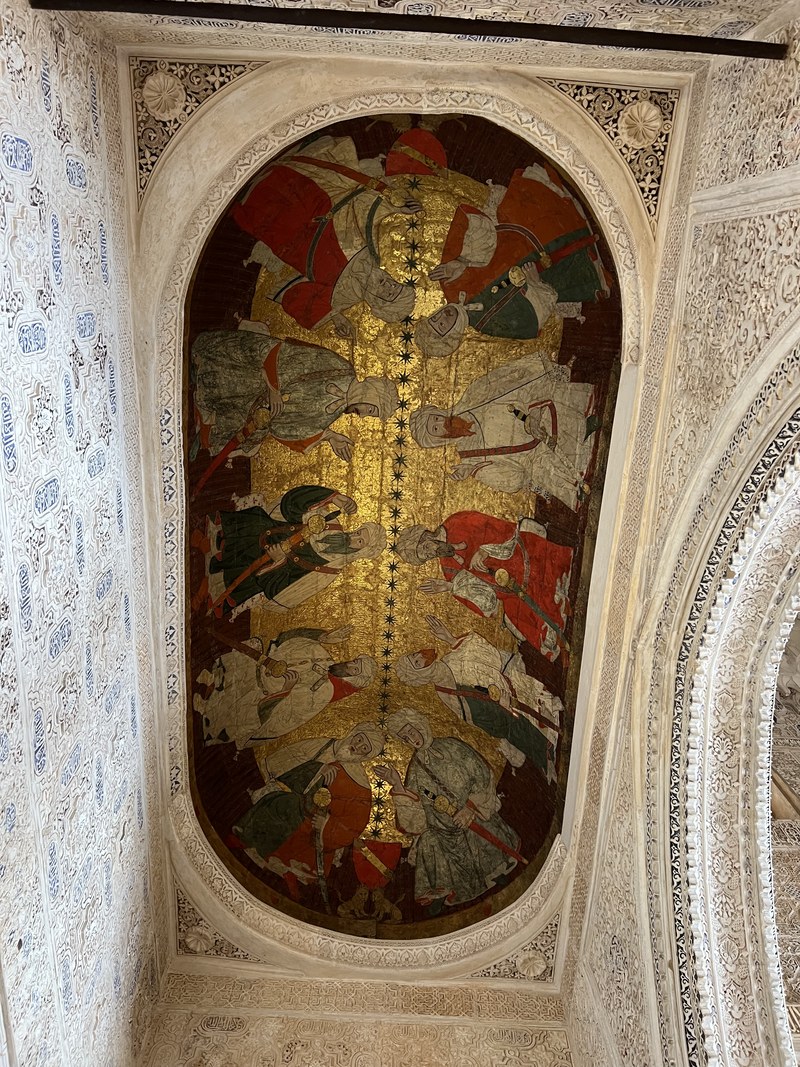
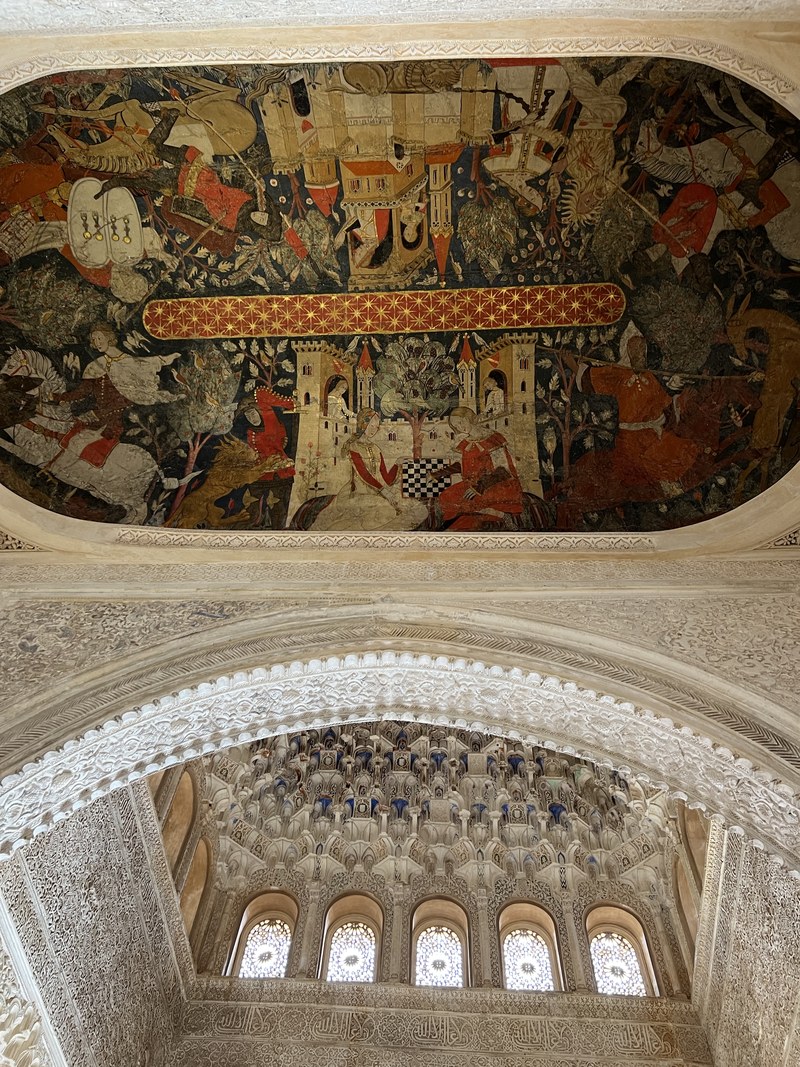
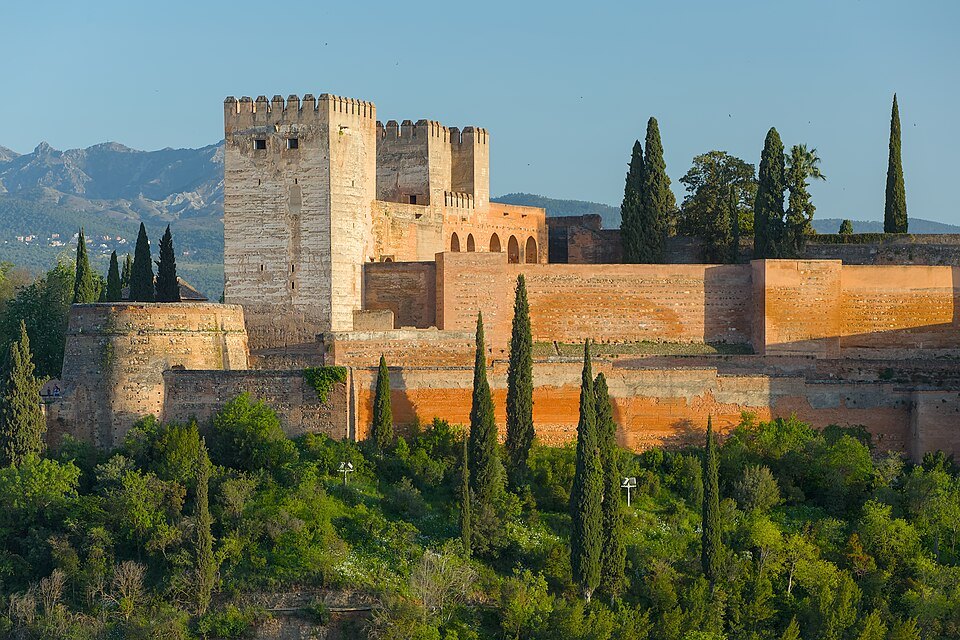
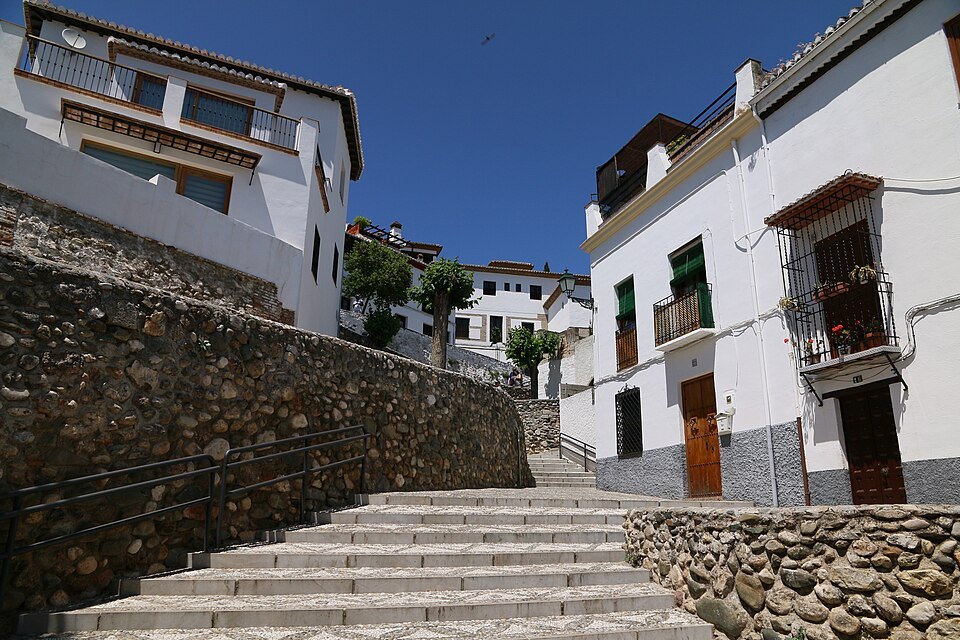
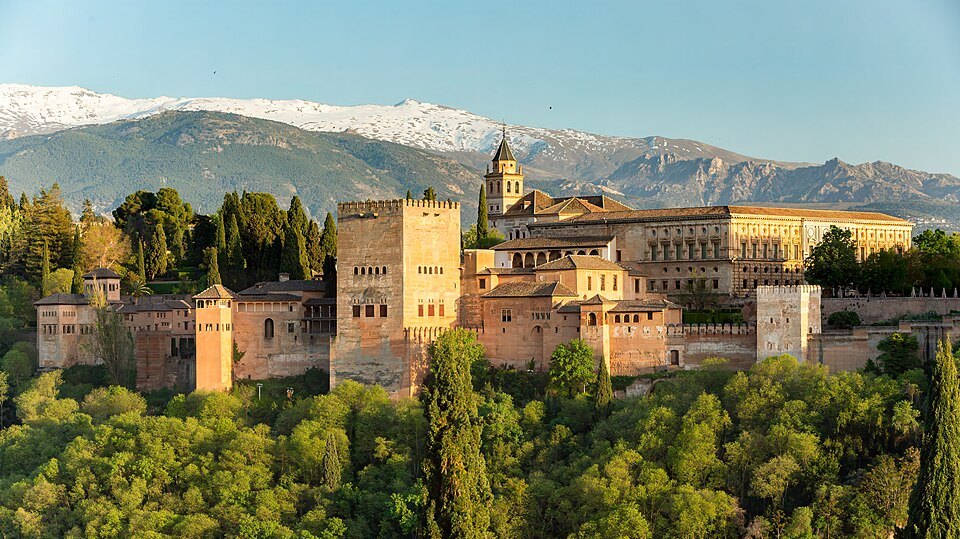
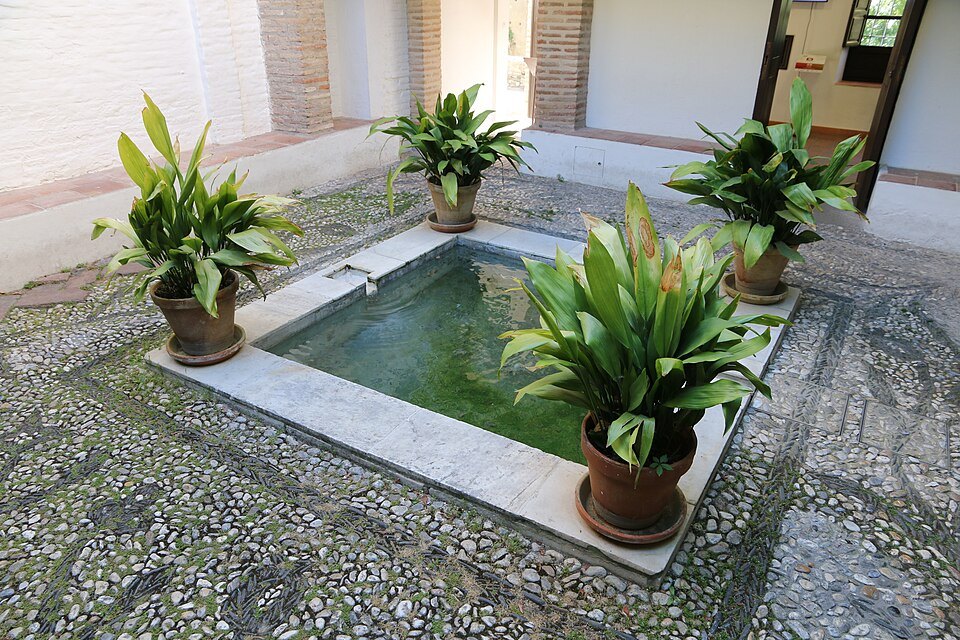
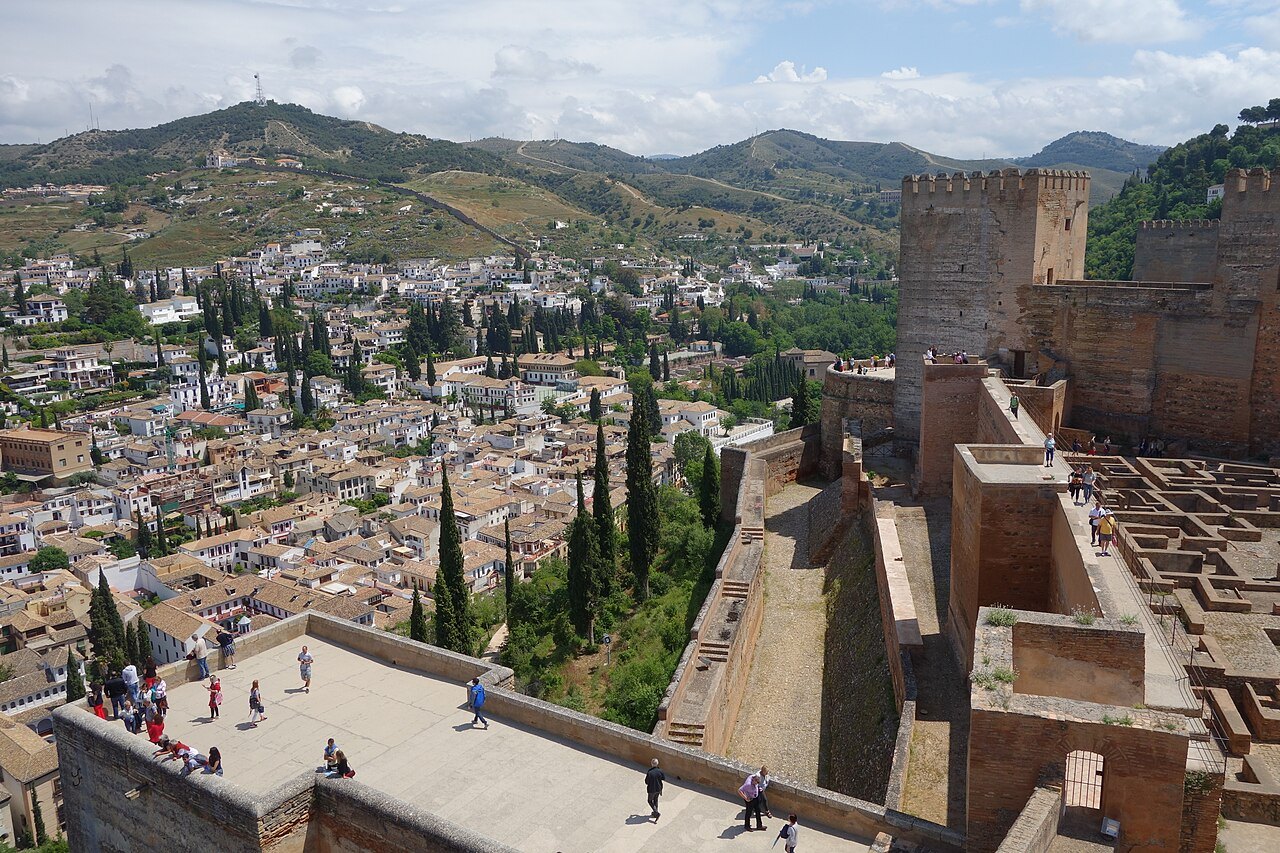
The Alhambra first, then the Albaicín, whose street plan is Nasrid even though its houses are not, then the Bañuelo and the Corral del Carbón — a bath house and a merchants' inn, both ordinary buildings, which is exactly why they are worth seeing.