What this site is for
Almost everyone who comes to Granada comes for the Alhambra, and almost everyone plans the rest of the trip badly around it. The Nasrid Palaces are entered in a timed slot; nothing else on the hill is. That single fact should shape your whole visit and it is usually discovered too late.
So this site is built around it. What has to be booked and roughly how far ahead. What the free half of the city is — the Albaicín, the miradores, the Carrera del Darro — and how to use it on the days you cannot get a palace ticket. And which climbs are worth the effort in August.
There are twenty sight pages, a full history of the Alhambra, itineraries by how long you have, day trips into the Sierra Nevada and the Alpujarra, and a journal.
What you will not find here
No prices, opening times, fares or slot times. Not anywhere, not once. They change without notice and a guide that quotes them is confidently wrong within a year. Where something is timed or has to be booked the page says so; the operator is the only source that is right on the day you travel.
No pretending 1492 was tidy. The surrender terms guaranteed the religion and property of Granada's Muslims and were abandoned within a decade, ending in forced conversion and expulsion. The buildings survived; the society that made them did not. This site says so where it is relevant.
No invented detail. Where the sources disagree — the number of inscriptions in the Alhambra, visitor figures, how long Washington Irving actually lived there — this site says they disagree rather than picking the confident number.
How it is made
Access Granada is written and maintained with the assistance of AI. That is not a disclaimer buried in a footer, so here is what it actually means.
The research, the drafting and most of the page assembly are done with AI tools. A person sets what each page is for, reviews the copy before publication, and checks the claims that matter — dates, names, what is free, what is timed, what is uphill. Photographs are reviewed on a contact sheet before publication rather than after.
It is not a perfect process and it is not pretending to be. If something here is wrong, the contact form goes to a person who will fix it.
Photographs
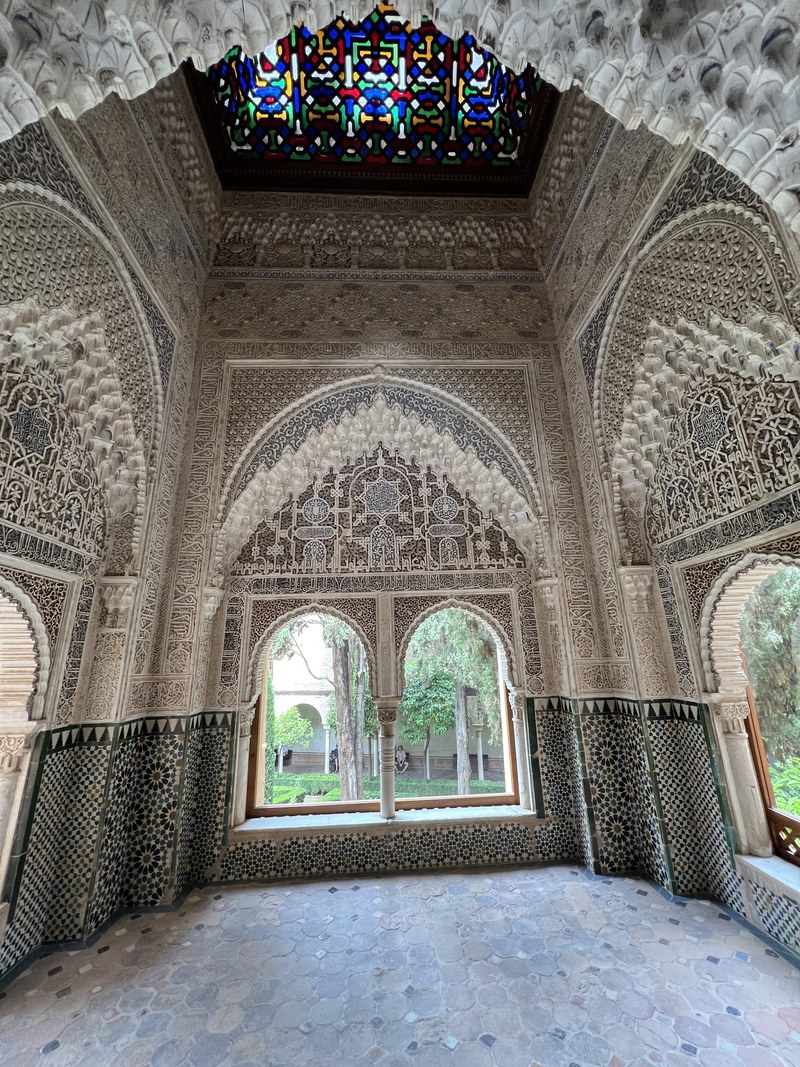
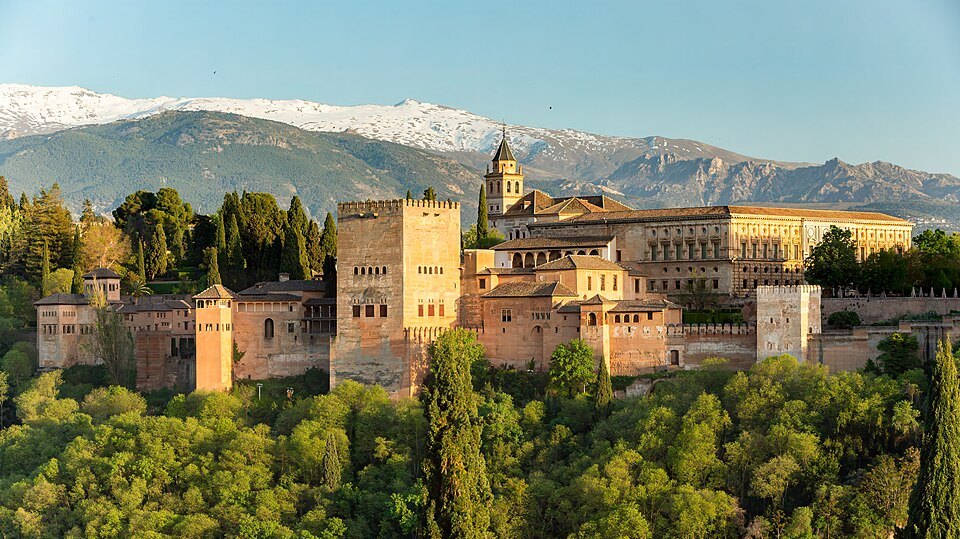
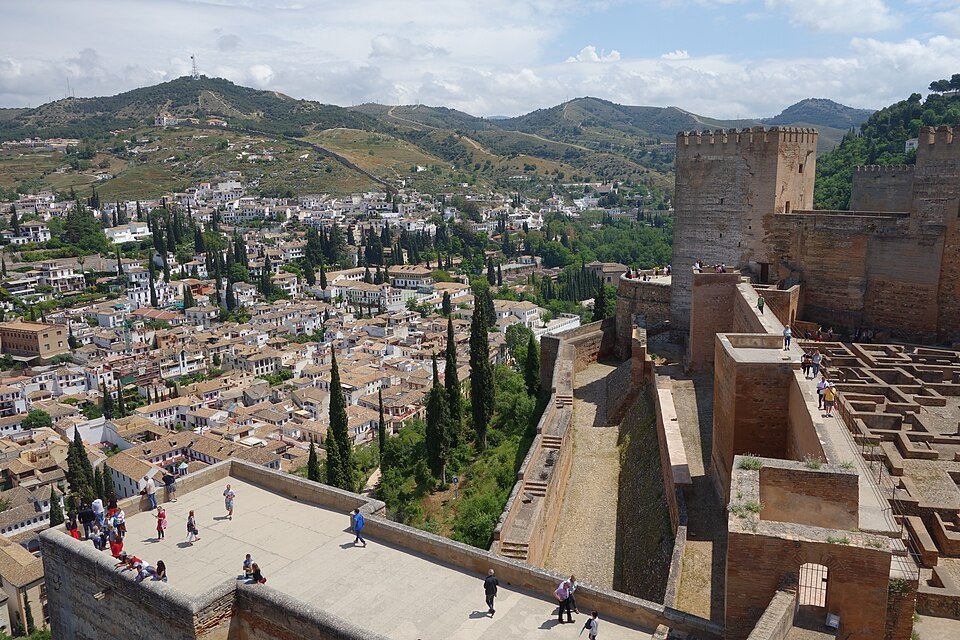
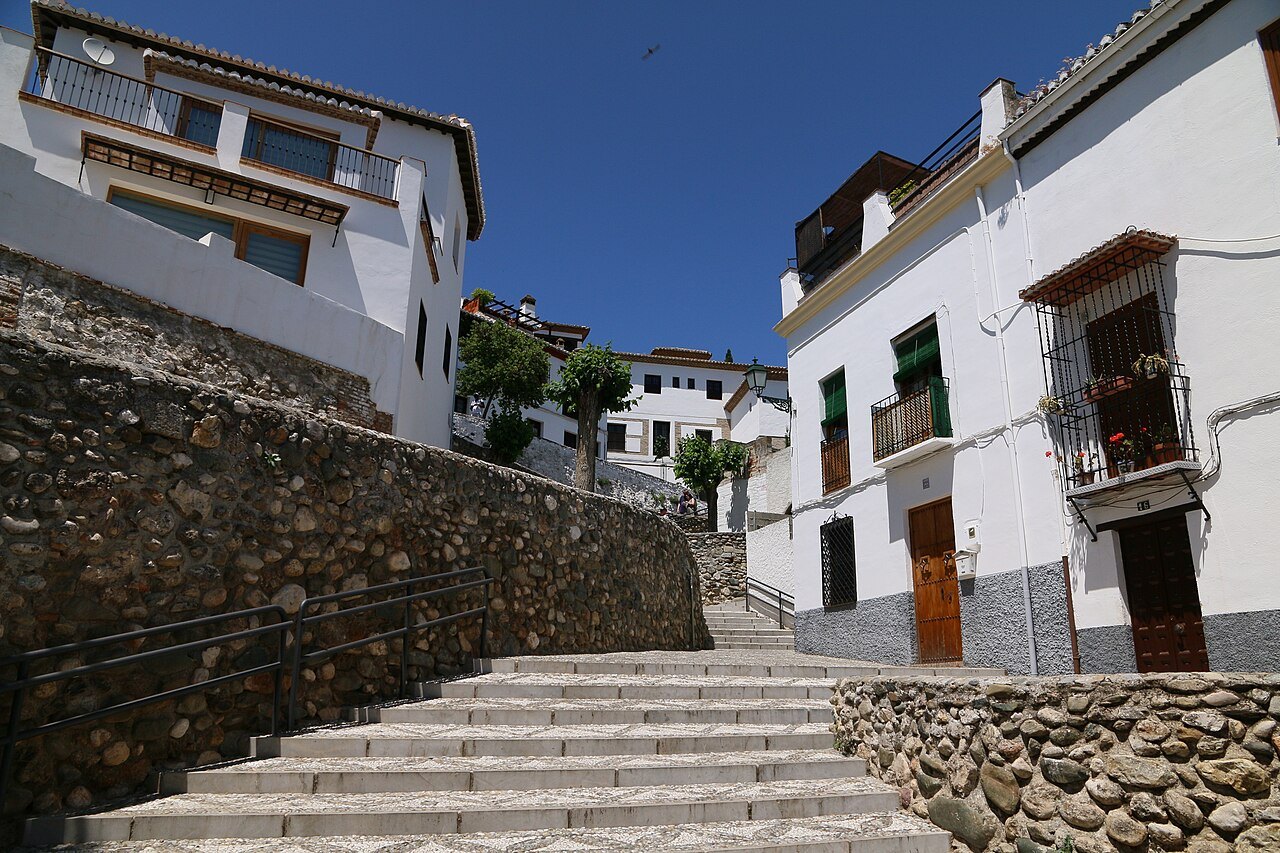
⭐ Many of the photographs on this site were taken in Granada by the site's owner and appear nowhere else. They are credited by the author. The rest come from Wikimedia Commons and are credited individually on the page they appear on.
Filtering the Commons ones is harder than it sounds. There is a Granada in Nicaragua, a Grenada in the Caribbean, a Granada in Colorado — and granada is Spanish for both pomegranate and hand grenade, while Grenade is French for this city. Every one of those had to be handled before a single picture was used.
⚠️ The pomegranate is Granada's emblem — on the coat of arms, cast into the bollards, set into the pavements — so those images are kept deliberately. Whether the fruit named the city is disputed; the Arabic Gharnāṭa is the likelier root.
Granada is also one of the most painted cities in Europe, which means a picture search returns a great deal of 19th-century art. None of it shows the place as it is now, so none of it is used.
Granada, on the ground