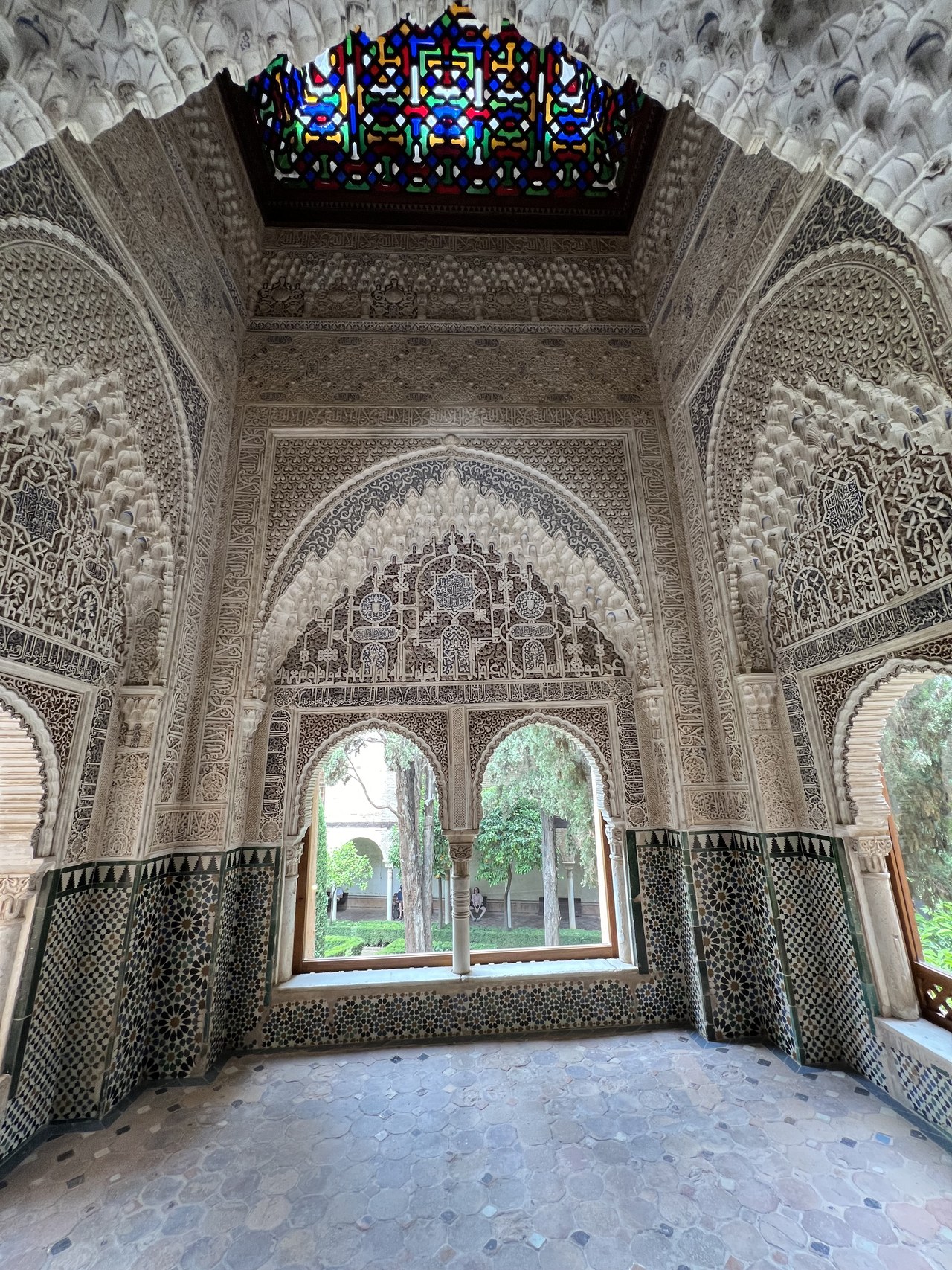
Granada in brief
| Country | Spain — Andalusia, in the province of the same name |
|---|---|
| Population | Around 230,000 in the city, roughly half a million with the metropolitan area |
| Language | Spanish. English is common in the old city and thins fast outside it |
| Currency | Euro |
| Getting around | ⭐ On foot, but it is steep — the Albaicín and the Alhambra hill are both climbs. Small buses run up both |
| Arriving | The high-speed line reaches Madrid; Córdoba and Seville are doable for a day out. The airport is west of the city |
| ⚠️ Summer | June to September the middle of the day is genuinely hostile. Plan around it |
| ⚠️ Corpus Christi | Granada's fair week, in late spring, fills the city. Best time to come, hardest time to get a bed |
1013Granada becomes a capital
1238the Nasrids arrive, and the Alhambra
1492the last emirate falls
1527Charles V's palace is begun
1829Washington Irving moves in
3,479 mMulhacén, mainland Spain's highest
Start here
Ten sections. The city is small enough to walk in a morning and layered enough to take three days, so these are ordered by what people actually come for.
THE FULL HISTORY OF THE HILLThe AlhambraA fortress that became a palace city, survived the kingdom that built it by five hundred years, and was saved by tourists.THE LAST MUSLIM KINGDOM IN IBERIAThe NasridsHow a small tributary emirate outlasted al-Andalus by two and a half centuries.TWENTY PLACES, ONE PAGE EACHLandmarks & SightsEverything in Granada worth your time, with the walk from the cathedral and what it costs you.THE TWO HILLS OPPOSITEThe Albaicín & SacromonteThe old Moorish quarter and the cave houses beyond it — both free, both uphill.BY HOW LONG YOU HAVEItinerariesHalf a day to four, built around the one appointment that cannot move.MOSTLY ON FOOT, AND MOSTLY UPHILLGetting AroundThe centre is walkable. The bits you want are above it.THE TAPA COMES WITH THE DRINKFood & DrinkGranada still gives you food with your drink, and it is not a gimmick.THE MOUNTAIN AND THE COASTDay TripsGranada has a 3,000-metre range behind it and the sea an hour away.GRANADA IS NOT ONLY THE HILLThe City BelowWhat is worth your time once you come down from the Alhambra.
All twenty sights
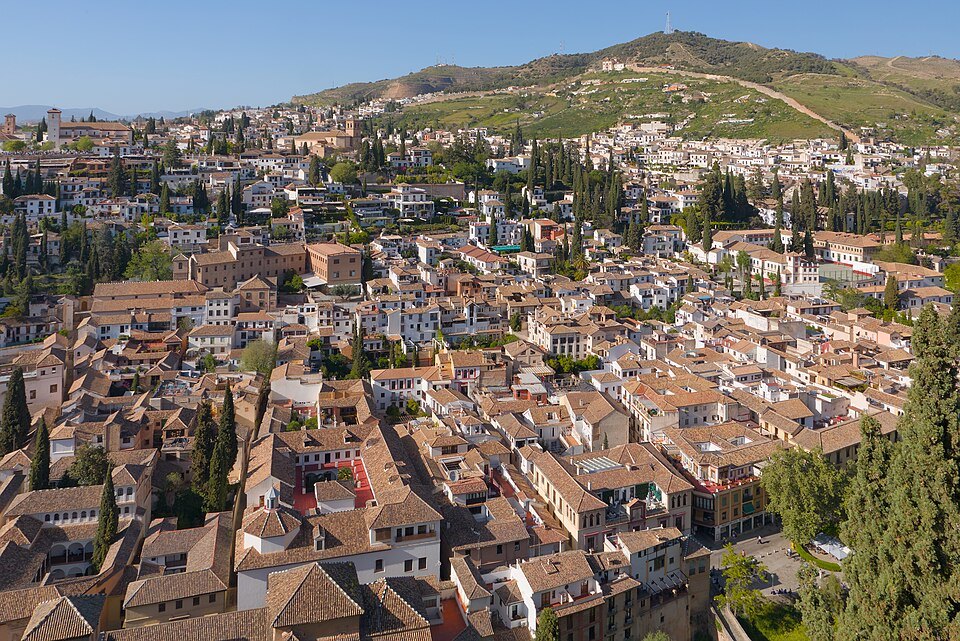 The Alhambra
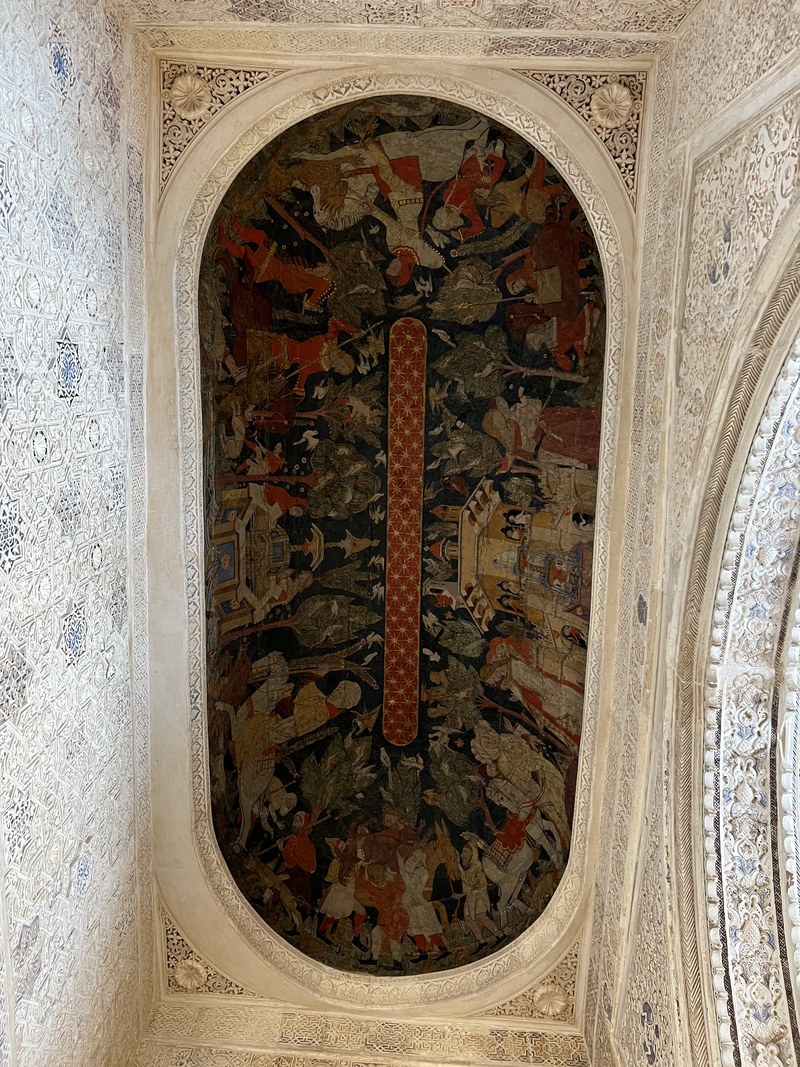 Palacios Nazaríes
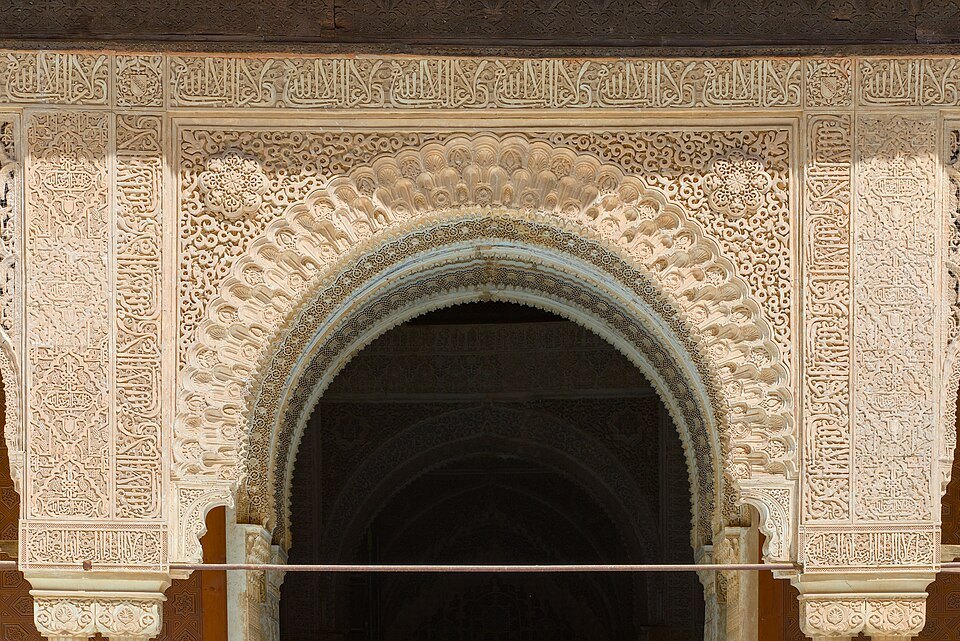 Patio de los Leones
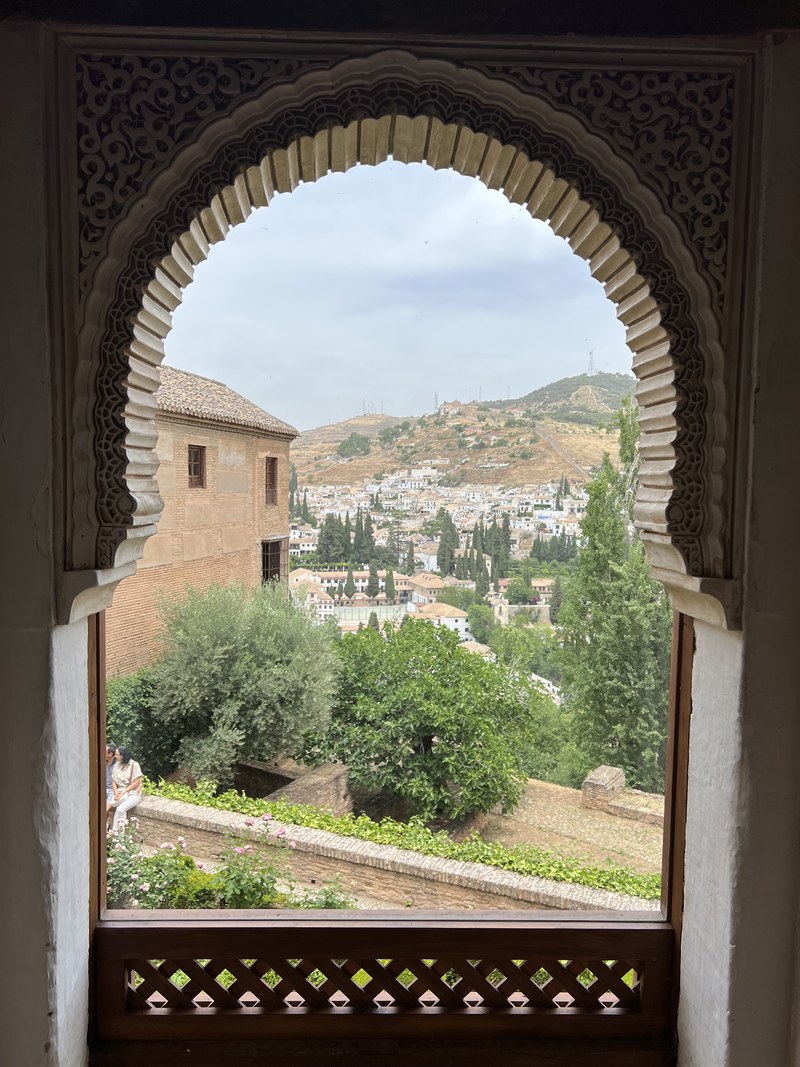 Generalife
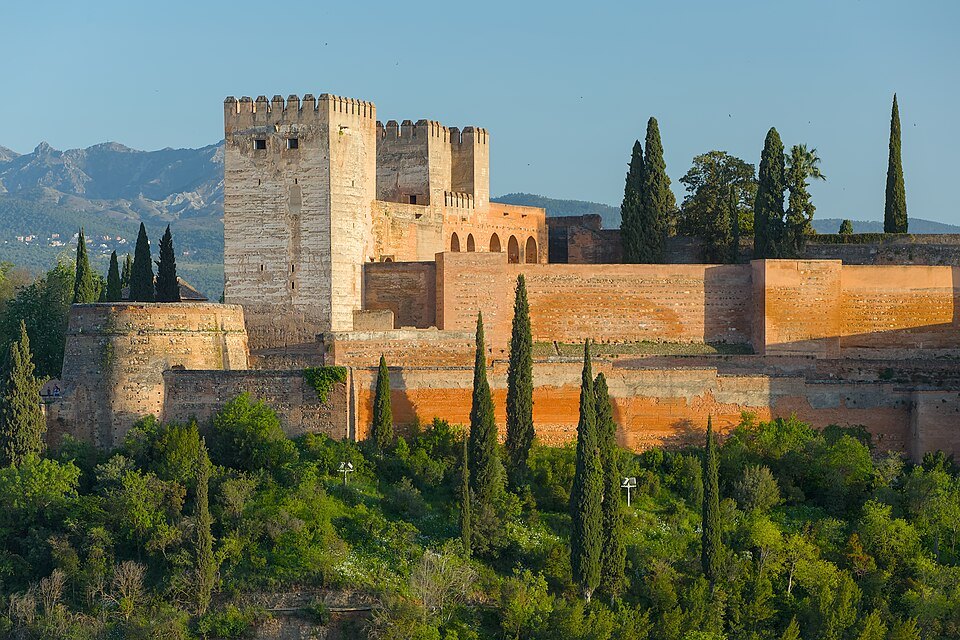 Alcazaba
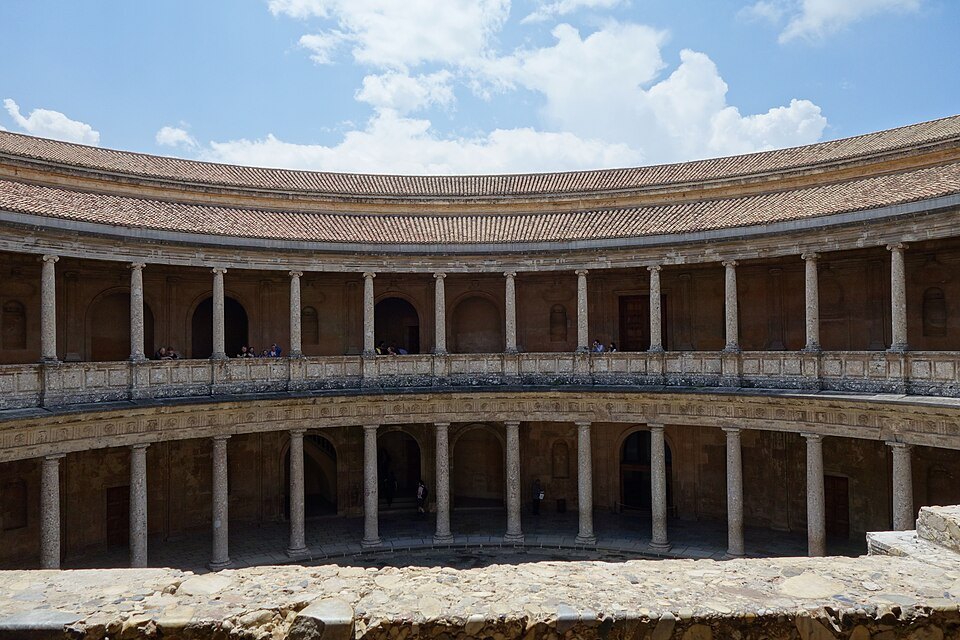 Palacio de Carlos V
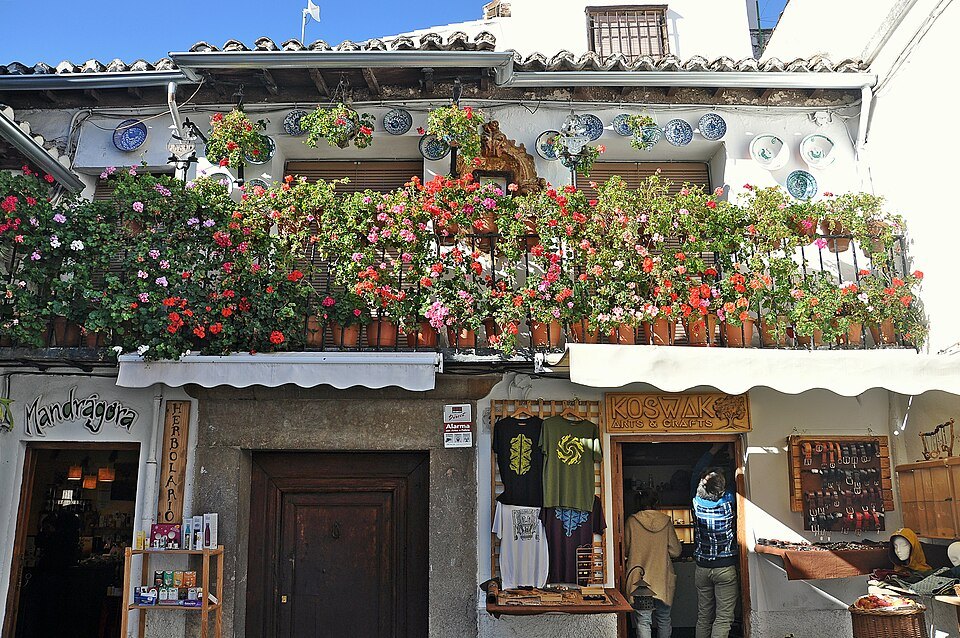 Albaicín
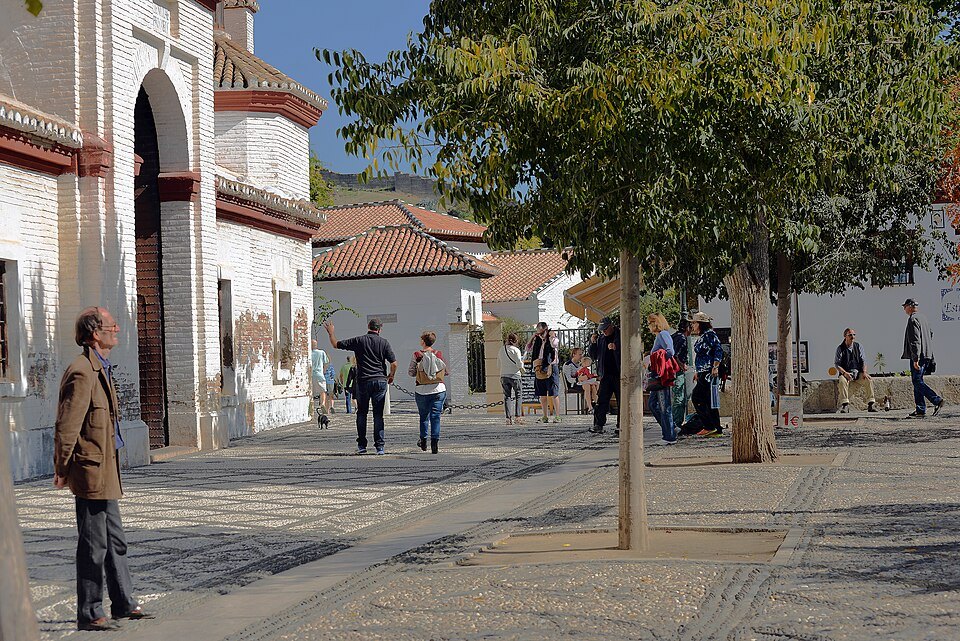 Mirador de San Nicolás
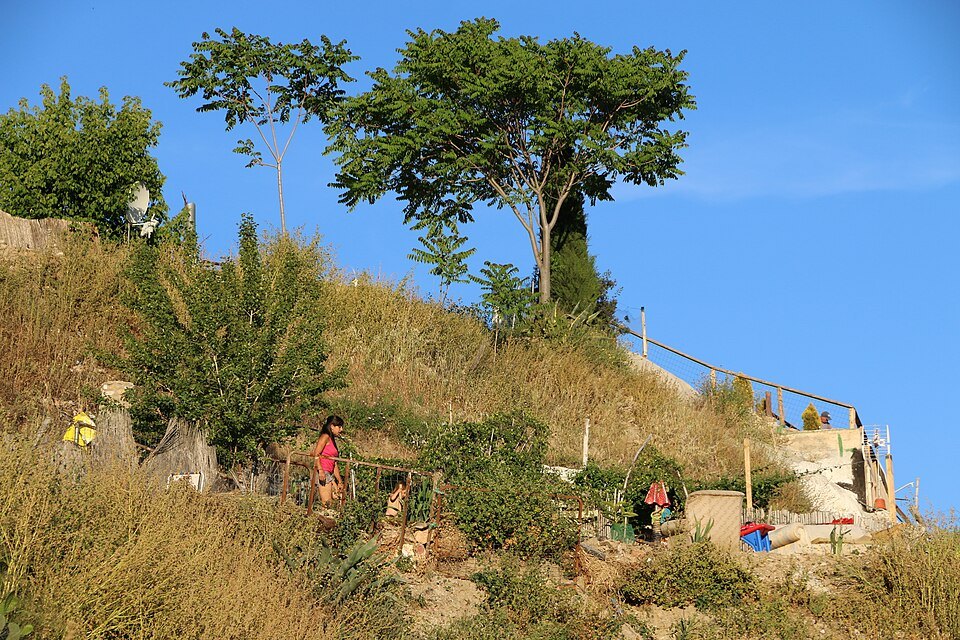 Sacromonte
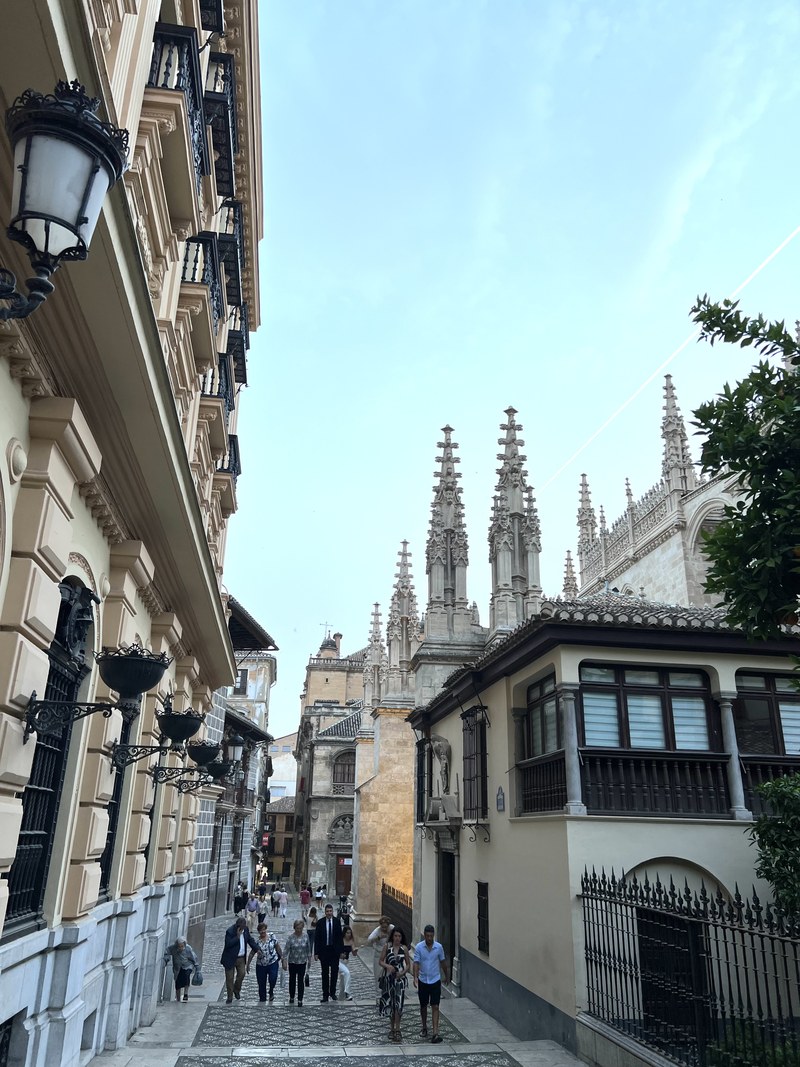 Catedral de Granada
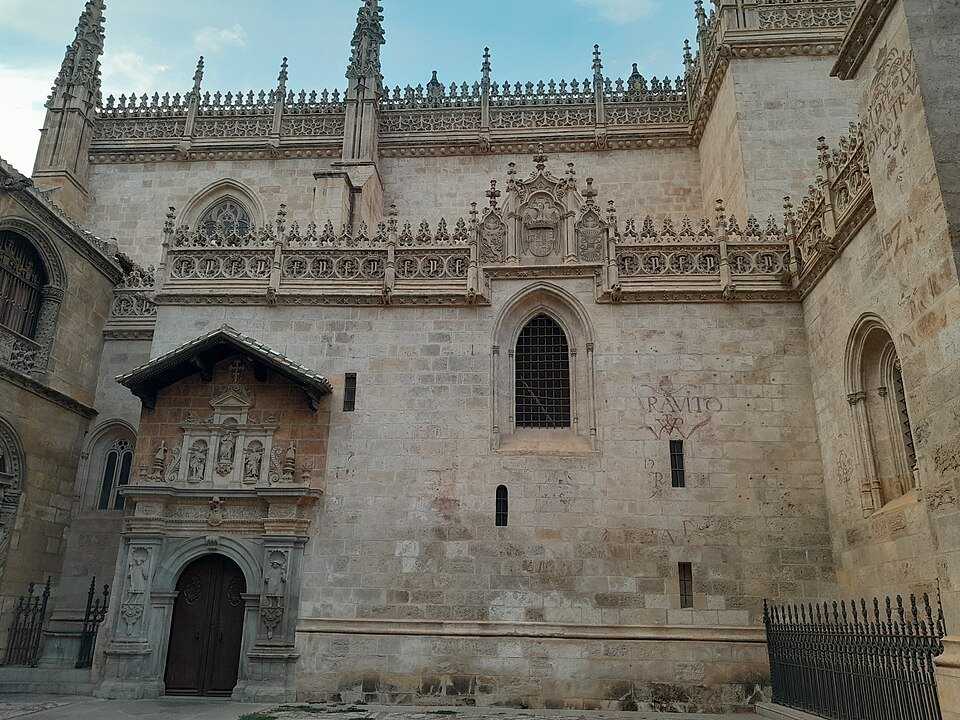 Capilla Real
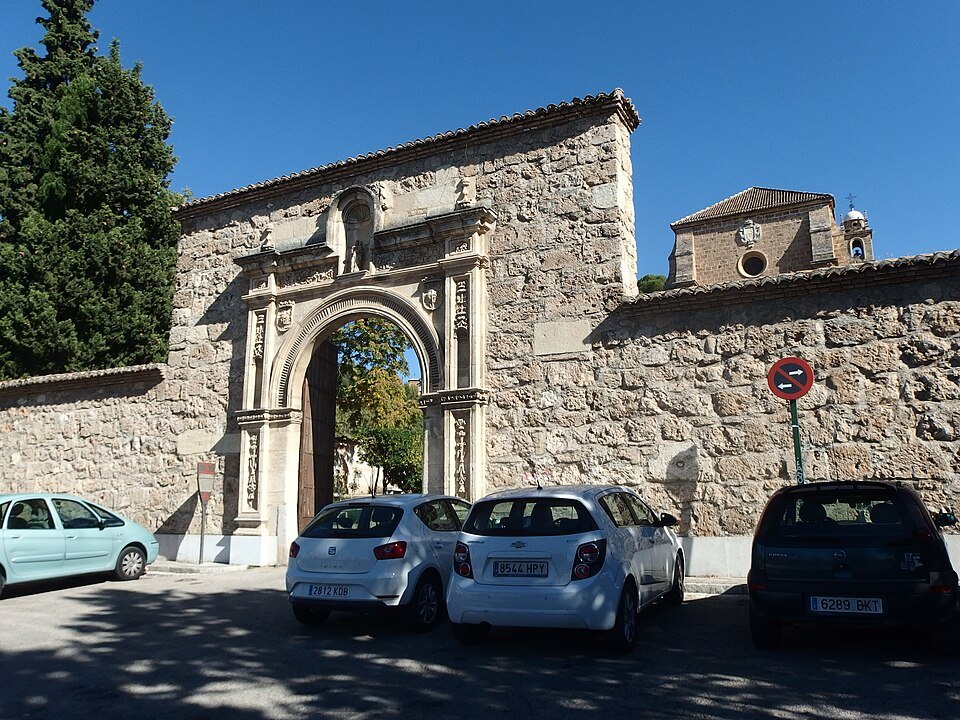 Monasterio de la Cartuja
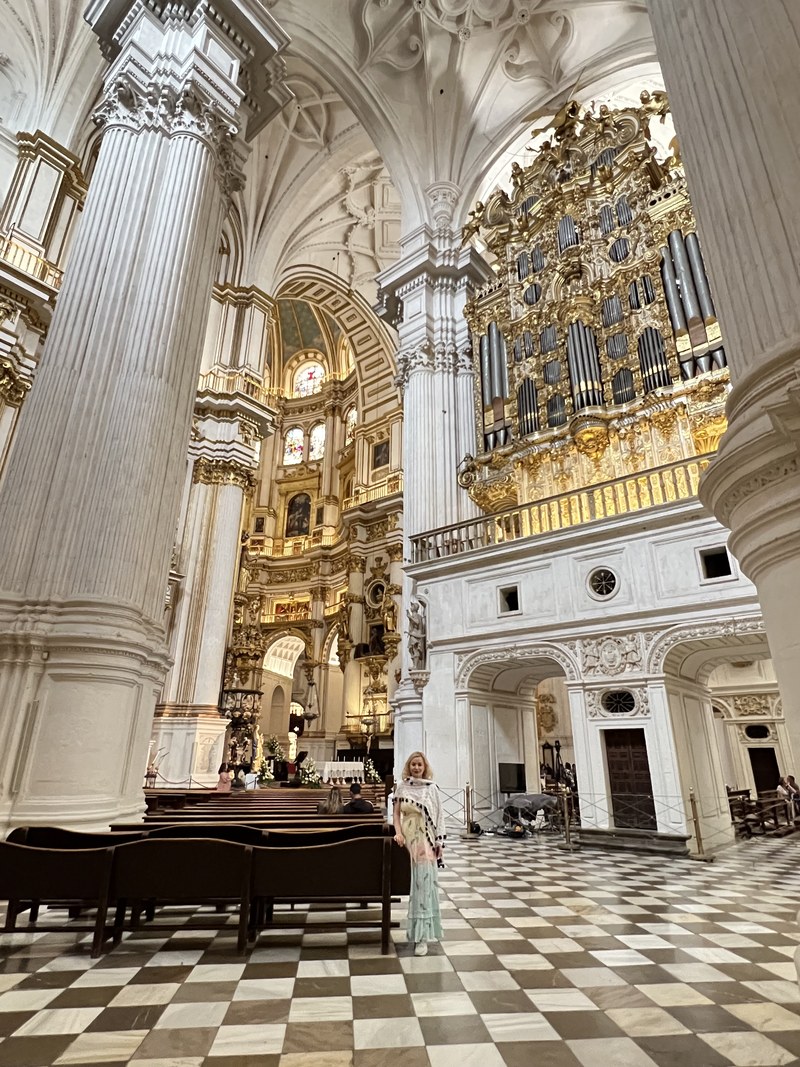 Monasterio de San Jerónimo
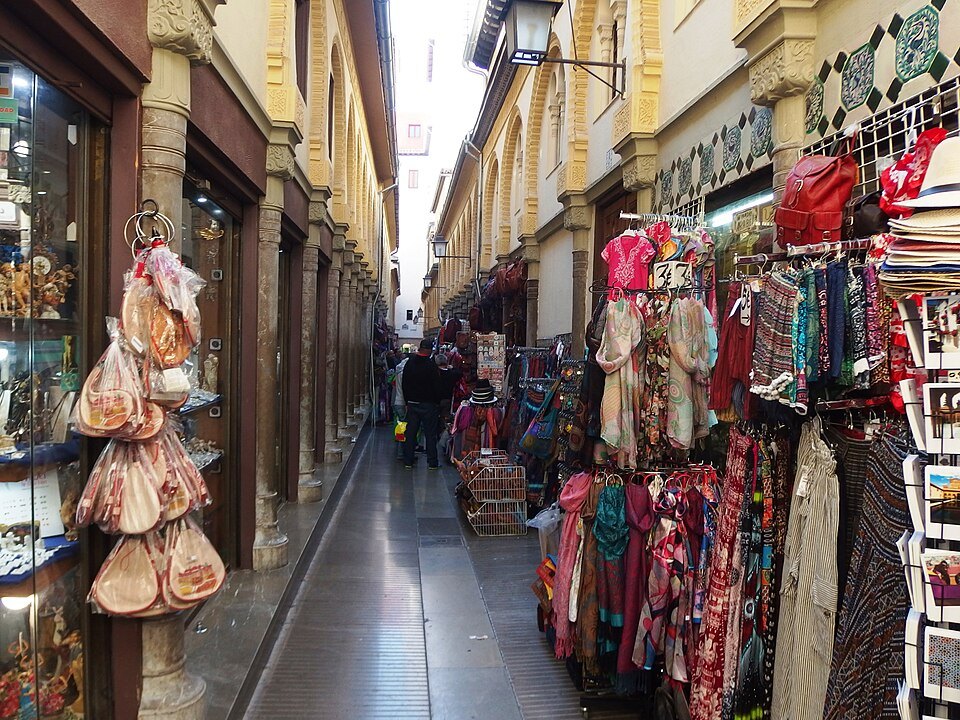 Alcaicería
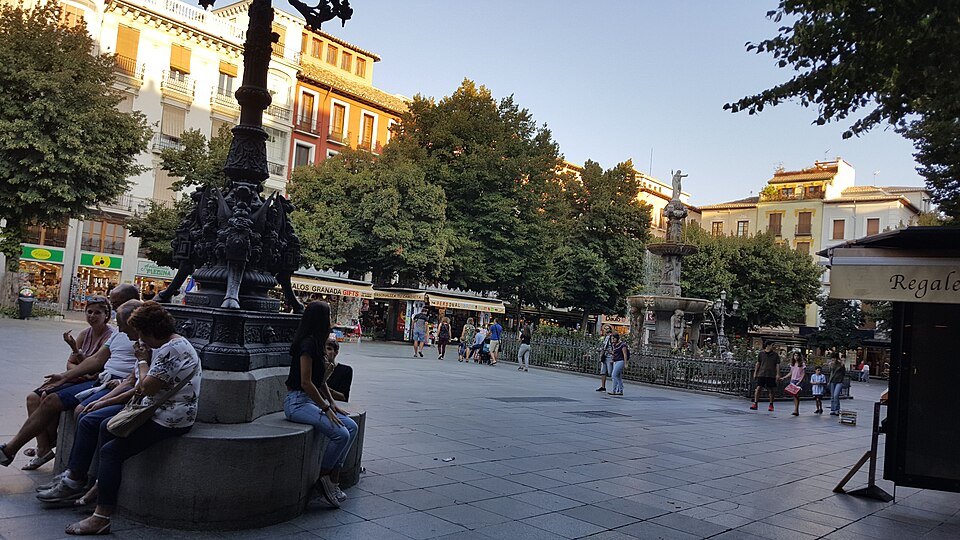 Plaza Bib-Rambla
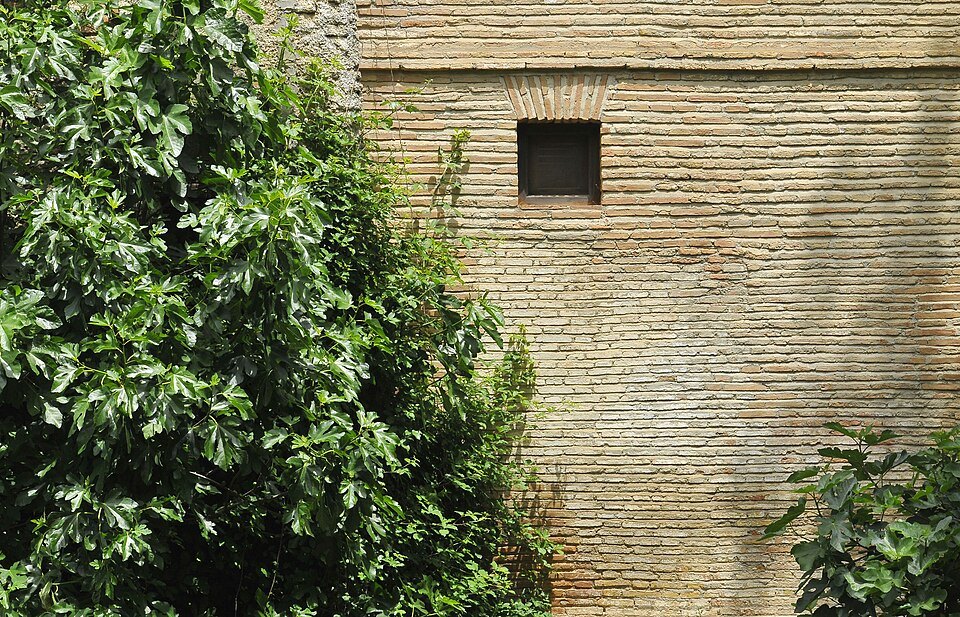 Carrera del Darro
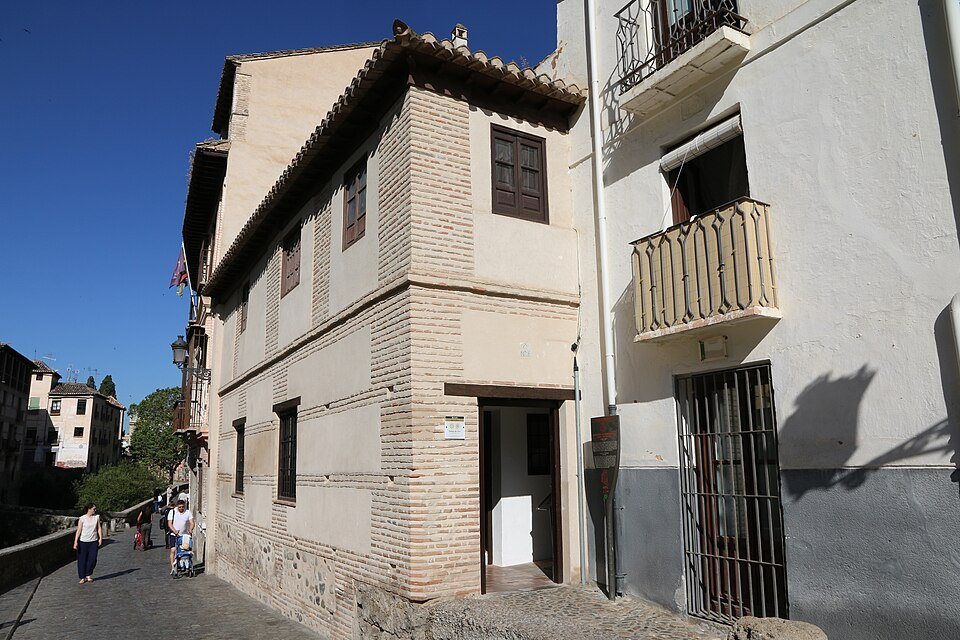 El Bañuelo
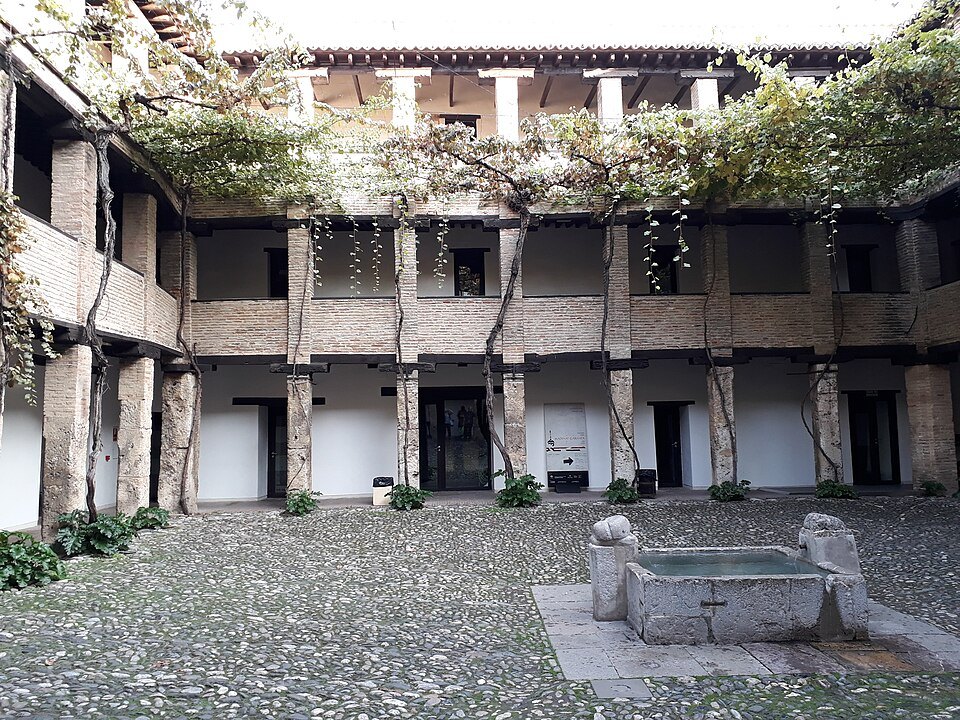 Corral del Carbón
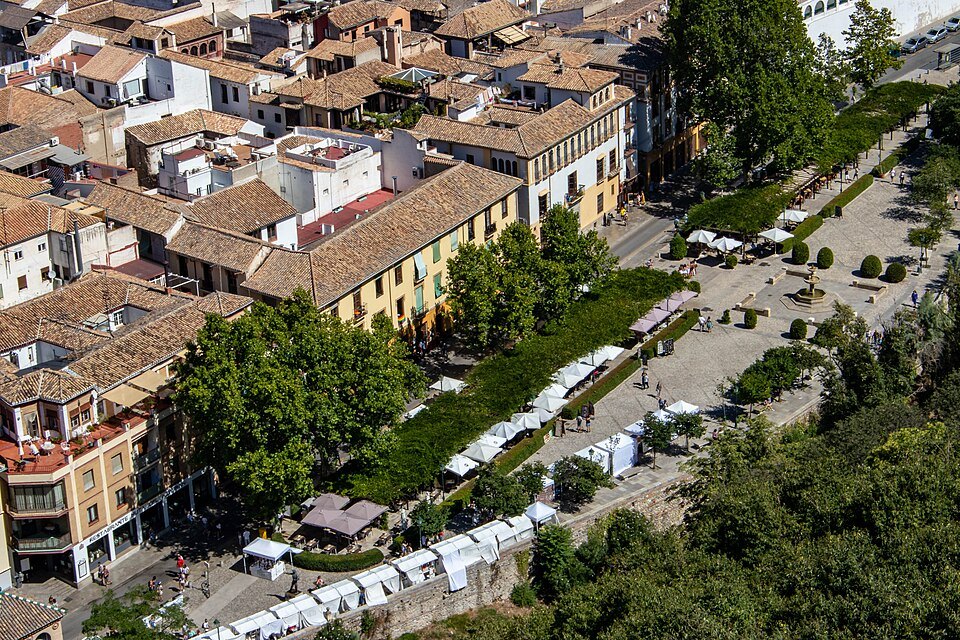 Paseo de los Tristes
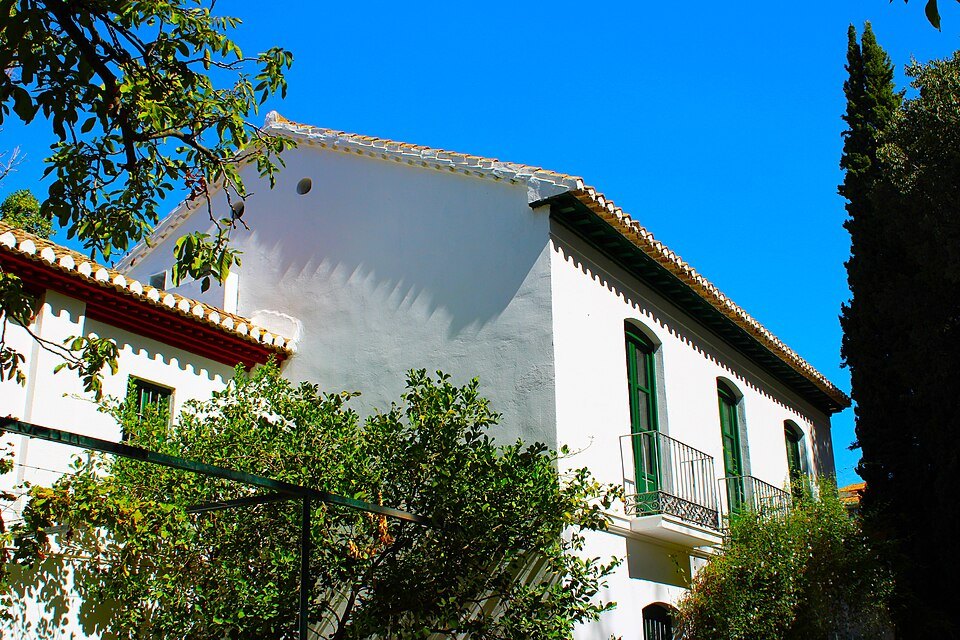 Huerta de San Vicente