August in Granada is a test of scheduling, not willpower. The city sits in a bowl surrounded by mountains, which means heat arrives in the morning and simply stays, with no sea breeze to move it along. Locals deal with this by restructuring the entire day around it, and the visitors who have a miserable time are usually the ones trying to run a normal sightseeing schedule against it instead.
The shape of an August day
Granada effectively splits into two cities depending on the hour. From early morning until roughly early afternoon, the streets belong to deliveries, shopkeepers hosing down their doorsteps, and anyone determined to see the Alhambra before the stone starts radiating heat back at you. Then there's a long stretch where shutters come down, the Alcaicería stalls thin out, and anyone sensible is indoors. The city reopens in the evening and keeps going well past what feels like a reasonable bedtime — this is when Bib-Rambla fills up and terraces along Carrera del Darro get genuinely lively.
⭐ Book your Alhambra entry for the first slot the ticketing system offers. The complex has essentially no shade until you're deep into the Generalife gardens, and the stone courtyards of the Palacios Nazaríes hold heat rather than deflect it. Check the official booking mechanism directly, since slots and release dates change and third-party resellers add nothing but markup.
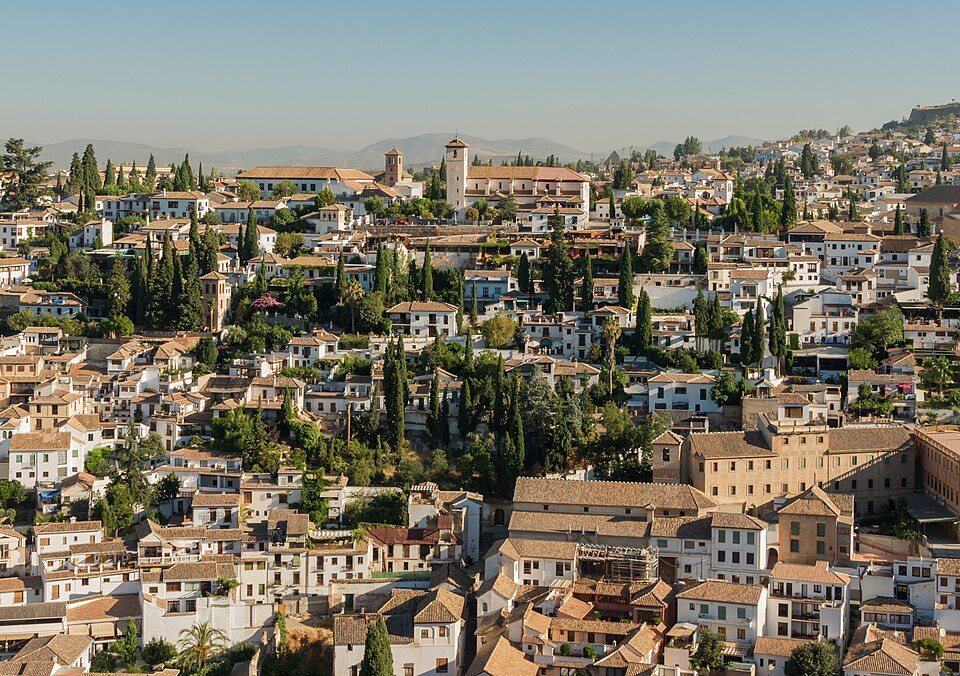
⚠️ Don't plan a big midday push through the Albaicín's steep lanes. The incline that's charming at 9 a.m. is miserable at 2 p.m., and there's little shade on the climb up toward Mirador San Nicolás. Save that walk for sunset, when the light is better anyway and half of Granada will be up there with you watching it hit the Alhambra.
An itinerary that works with the heat instead of against it
Treat the day as three separate outings rather than one long slog.
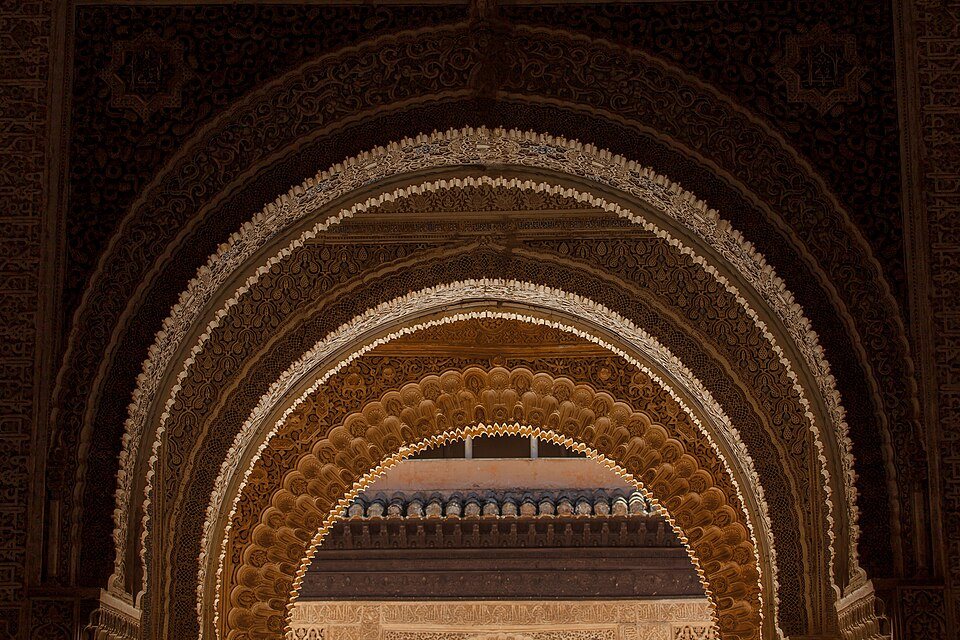
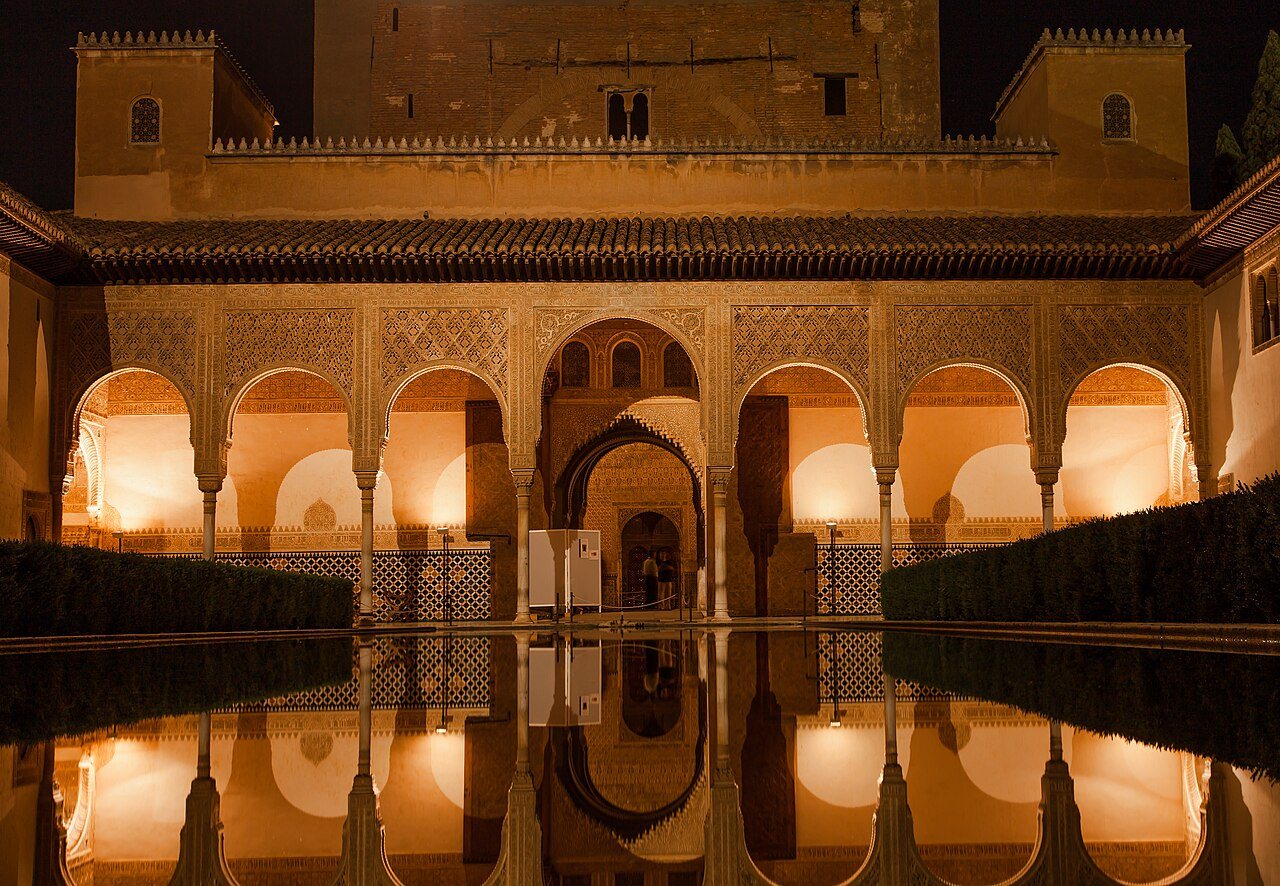
- Early morning: the Alhambra grounds, starting with the Alcazaba for its views before the haze sets in, then the Palacios Nazaríes, then a slower walk through the Generalife's irrigated gardens, which are noticeably cooler than the rest of the site because the Nasrids designed them around running water for exactly that reason.
- Midday to mid-afternoon: go indoors and stay there. This is the window for the Capilla Real and Catedral, both of which stay cool under thick stone, or the Bañuelo, the old Arab bathhouse near the Darro, which is literally built half underground to manage heat the way Granada's builders have handled it for a thousand years. A long, slow lunch counts as sightseeing here — restaurants expect you to linger, and nobody will rush you out.
- Evening: this is when the city is actually at its best. Walk the Paseo de los Tristes as the Alhambra's walls go orange above you, climb to the Mirador San Nicolás for sunset, and drift into Sacromonte for dinner or a cave flamenco show once the temperature has actually dropped.
For a change of pace that doesn't involve more pavement, Huerta de San Vicente, the García Lorca family's old summer house, sits inside a park with real tree cover — it's as much a relief from the heat as it is a literary stop.
Where the shade actually is
The Albaicín's oldest alleys were laid out narrow for a reason, and they still work: walking the backstreets rather than the main thoroughfares can mean several degrees of difference. The Carrera del Darro, running along the river beneath the Alhambra's walls, stays shaded for a good part of the morning because the gorge blocks direct sun. The Corral del Carbón, a surviving Nasrid-era merchants' inn tucked just off the main shopping streets, is a quiet, covered spot to duck into for ten minutes when you need to stop being outside.
⭐ Carry water and refill it rather than buying bottles all day — Granada has public fountains, a holdover from its history as a city built around channeled water from the Sierra Nevada, and using them is normal, not a tourist move.
What to skip, and why the schedule matters more than the list
August is not the month to attempt everything. The Cartuja monastery and San Jerónimo are both worth seeing, but they're a longer walk from the center with little shade en route, so they're better saved for a cooler day or an early-morning taxi ride rather than squeezed in alongside the Alhambra. Similarly, the hike up to the Alhambra's viewpoints on foot in full sun is the kind of thing that sounds fine in the planning stage and isn't.
⚠️ August is also peak domestic holiday season in Spain — plenty of Granada's own residents are out of town, which means some family-run restaurants post handwritten "cerrado por vacaciones" signs for stretches of the month. If you have a specific place in mind for dinner, it's worth checking rather than assuming.
The city's own history offers a strange parallel to this seasonal planning. When Granada surrendered to the Catholic Monarchs in 1492, the terms guaranteed the Muslim population's religion, language, and property. Those guarantees were dismantled within a decade — a reminder that Granada's layered identity, visible everywhere from the Albaicín's street plan to the churches built directly on former mosques, was not settled gently. It's worth having that context before wandering the Albaicín and Sacromonte and taking the harmony of the view from Mirador San Nicolás at face value.
None of this requires sacrificing the city's best sights — it just means putting them in the slots where the climate cooperates. For getting between all of this without adding unnecessary walking in the heat, see Getting Around, and for a broader sense of how to spread a visit across several days, Itineraries has other combinations that pair well with an August schedule, including day trips to higher, cooler ground when the city itself gets to be too much.
In pictures